Nancy Massotto de Holistic Moms Network sobre los OGM


A pesar del desorden en la industria alimentaria que tenemos actualmente, está surgiendo algo hermoso y fuerte. Las conexiones que todos estamos creando al hablar por un futuro saludable y la libertad de elegir nuestros alimentos están fortaleciendo a Estados Unidos. Tuve el privilegio y el honor de conectarme con Nancy Massotto, fundadora y directora ejecutiva de Holistic Moms Network. Holistic Moms Network se ha asociado con Moms Across America para aumentar la conciencia sobre los OGM y difundir la palabra sobre Moms Across America. Al hacerlo, conocemos mejor a las mamás holísticas. ¡Qué organización tan increíble y poderosa mujer!
¿Cuál era su intención cuando comenzó la red Holistic Moms 10 hace años?
Nancy Massotto is the Founder and Executive Director of the Red de madres holísticas and mother to two boys. She founded the Holistic Moms Network to meet other parents who shared her passions for living healthy and living sustainably, and to help raise awareness about natural living options. Before becoming a mom, she completed three graduate degrees, including a Ph.D. in political science, specializing in gender studies and feminist theory and spent several years working for non-profit research institutes, including the Women’s Research and Education Institute (WREI) and the International Center for Research on Women (ICRW), while residing in the Washington, D.C. area. As a mom and community leader, she is dedicated to empowering women, supporting mothers, and raising her two sons as naturally and sustainably as possible.
Twitter: @HolisticMomsNet, @HMNMama
YouTube: HMNNational
Cómo ser un orador sobre los OGM
Anoche, después de dar una charla para 18 increíbles mamás y papás, me dijeron que debía entrenar a otros. Pensé en compartir mi respuesta como una publicación de blog para todas las mamás que quieren saber cómo compartir acerca de los OGM y simplemente no saben por dónde empezar. Siéntase libre de copiar, pegar y formular su propio esquema o charla.
First of I want you to know one thing. There is no "right way" that I have or anyone else has. The way to do a talk in front of others is to trust yourself. You have everything it takes and all the love in the world to do a perfect talk in front of your best friends or in front of thousands. Now how can you say that? You might ask...you don't even know me...you don't know that I am shy, or soft spoken, or I just can't look people in the eye...I can't be a speaker. Phooey to that, is what I say.
I know you. You are a Mom. You love with ever fiber of your being where you don't even know there are fibers. Your commitment goes to unknowable depths and then some. You are more powerful and more clear and more moving than any fancy advertising or well oiled marketing report ever. When you are present to that love you have for your children, you can do anything. So my "training advice"is that you set aside any chatter in your head that you can't do this or don't know how and take a deep breath. Just think about how adorable your kids are and how you would like them to experience the profound love that you have for them, for their own child one day, that they created and birthed, and then get on with it.
Para ser un orador sobre los OGM:
¿Qué le está haciendo Roundup (glifosato) a nuestras familias? : Nuevo estudio
"Exposición al glifosato en la familia de un agricultor"
Journal of Environmental Protection, 2012, 3, 1001-1003 doi:10.4236/jep.2012.39115 Published Online septiembre 2012 (http://www.SciRP.org/journal/jep) 1001
Los siguientes estudios explican la crisis de salud en Estados Unidos. Real y verdaderamente. Esto es todo ... toda la búsqueda de la cura ha terminado. Estos estudios muestran la causa. Y como madre, estoy indignada y aliviada de saber finalmente. Ahora podemos hacer algo al respecto. Si alguna vez hubo una razón para comer productos orgánicos y compartir información, esta es la razón.
El glifosato puede no ser una palabra común, pero Roundup * sí lo es. Es probable que lo rocíe sobre sus malezas, o su vecino lo hace. La escuela de tus hijos definitivamente lo hace. Su ciudad lo rocía en sus aceras y parques y a los granjeros que cultivan sus alimentos se les ha dicho que es lo mejor desde el pan rebanado para rociar en los terrenos que rodean los almendros, árboles frutales, fresas y casi todos los vegetales no orgánicos cultivados en Estados Unidos. Roundup es el pesticida más utilizado en el mundo, se usan 185 millones de libras (1) solo en los Estados Unidos cada año y el glifosato es el ingrediente químico activo.
Not only is it sprayed on the soil, the chemical is drawn into it root system and plant, it is also now being sprayed en the GMO plant in ever increasing doses and it is absorbed into every cell of the plant. It's called "Roundup Ready”. The problem is, that means it is in our food, potentially for 14 years plus, it cannot be washed off, y the food is not labeled.
Es posible que algunos de ustedes ya lo sepan ... pero lo que quizás no sepan es que el impacto del glifosato es igualmente tan dañino como los alimentos genéticamente modificados. En un estudio científico publicado revisado por pares titulado "Exposición al glifosato en la familia de un agricultor" publicado en el Journal of Environmental Protection. Sin embargo, esto no se ha difundido ampliamente en los EE. UU., Moms Across America descubrió que se ha demostrado que el glifosato daña a los humanos más de lo que nadie se daba cuenta.
The family in the study lived 1.5 miles away from their fields that were sprayed with Roundup. The father would spray the fields, come home and wash his hands thoroughly, but not take a shower. Apparently he hugged his children, because the levels of glyphosate found in their urine were far above what has shown to be toxic in animals. The glyphosate level in the father's urine was 9.5 ppm and the children's was 2 ppm. It is scientifically documented that infertility is caused by glyphosate at .5 ppm and endocrine disruption (which causes birth defects) is caused by glyphosate at .2 ppm.
El granjero y su esposa tuvieron dos hijos con defectos de nacimiento, incluyendo ano imperforado, deficiencia de la hormona del crecimiento, hipospadias (que es cuando la uretra de la abertura del pene masculino no está en el extremo sino debajo y a lo largo del costado), defecto cardíaco y micro pene.
También tenemos un nuevo estudio científico que conecta el glifosato y numerosas enfermedades que se han disparado en nuestra cultura occidental desde la introducción de los OMG en nuestro suministro de alimentos.
"Glyphosate’s Suppression of Cytochrome Enzymes and Amino Acid Biosynthesis by the Gut Microbiome: Pathways to Modern Diseases" states that glyphosate residues have been found primarily in corn, sugar, soy and wheat. Good God, that is practically in everything all of us eat!
"Las consecuencias son la mayoría de las enfermedades y afecciones asociadas con una dieta occidental, que incluyen trastornos gastrointestinales, obesidad, diabetes, enfermedades cardíacas, depresión, autismo, infertilidad, cáncer y enfermedad de Alzheimer. Explicamos los efectos documentados del glifosato y su capacidad para inducir enfermedad, y mostramos que el glifosato es el "ejemplo de libro de texto" de la entropía semiótica exógena: la interrupción de la homeostasis por toxinas ambientales ".
Este nuevo estudio científico publicado en 48 página es extenso y complicado. Debo decir que, como madre, preferiría jugar a la masa de juego con mis hijos o incluso limpiar un inodoro crujiente que buscar en estos informes científicos y tratar de descifrar oraciones como "Cantidades elevadas de ácidos benzoicos derivados de shikimate como el protocatecato y el galato también se encuentran en plantas expuestas al glifosato ".
Así que sin más preámbulos, publico estos estudios para que tengan sentido. Todo lo que sé es que el glifosato = daño a mi familia. ¡Así que detengan gente! Deja de rociarlo en mi comida, deja de rociarlo en el patio de mi escuela y deja de rociarlo en los parques de la ciudad. Y dígale a su ayuntamiento, su representante, sus congresistas / mujeres. Comparta este informe con ellos y exija que dejemos de usar este químico. Si no es por otra razón que errar por el lado de la seguridad. Estas son nuestras familias de las que estamos hablando.
¿Necesitas a alguien para arrancar las malas hierbas? Se llaman Boy Scouts que necesitan proyectos de servicio comunitario. No hay efectos secundarios dañinos de un Boy Scout.
Zen honeycutt
Daño a la página de Estudio familiar del agricultor 1
Daño a la página de Estudio familiar del agricultor 2
Daño a la página de Estudio familiar del agricultor 3
Página de Estudio de Glifosato / Enfermedades Modernas 1
Hallazgos del glifosato / estudio de enfermedades modernas página 29
Conclusión de la página del Estudio de Glifosato / Enfermedades Modernas 30
For the full report ( which is 48 pages long and too big of a file for my site) go to www.mdpi.com/journal/entropy
(1) http://www.beyondpesticides.org/pesticides/factsheets/Glyphosate.pdf del último 2007 informe)
* Roundup es una marca registrada de Monsanto
El levantamiento

There is an uprising happening in America. It's not visible like in Europe where they are tearing up crops and being dragged away from protests in Hazmat suits.... in America the uprising is in kitchens and coffee shops and on the internet. Moms who once found their lives exhausting are now waking at 6 am automatically and posting everything they can about GMOs. They are spending money from their savings to start a ballot initiative for their state and learning the ins and out of politics that they once abhorred. They are doing radio shows and sharing their rage with thousands. People are MAD. Moms are LIVID. The recent reports, there seem to be a new ones every day now, are so many that if you don't scan Facebook for two hours you are out of the loop...and these reports now show categorically that GMOs are dangerous, not only to our health but to the environment and our economy. This is something I knew in my bones as soon as I saw Robyn O'Brien's TedX Talk "Patriotism on a Plate" and Jeffrey M. Smith's movie Genetic Roulette, but my brain did not have proof of human harm on paper until just these past few weeks. See here for many of those reports.
Estos nuevos informes, junto con el impacto devastador de la firma del Presidente de la "Ley de Protección de Monsanto", tienen a las mamás prácticamente escupiendo fuego en Internet. Nuestra Encuesta a las mamás, junto con los testimonios de que sus hijos han mejorado con los OGM, tienen numerosas respuestas que dicen:
"ODIO GMOS"
"NUNCA ALIMENTARÉ A MIS NIÑOS GMOS"
"COMBATIRÉ GMOS HASTA MI RESPIRACIÓN AL MORIR"
Sí, todo en MAYÚSCULAS, todos GRITANDO. Estan enojados. Es por eso que a 69,000 personas les gustó la "Marcha contra Monsanto" el mayo 25, y 9,000 se inscribieron en aproximadamente una semana. La gente está enojada ... y peor que enojada ... la gente como yo se siente traicionada.
Por lo general, dejamos la política fuera de esto en MAAM porque todos comen y Tea Party, demócratas y republicanos están trabajando juntos en nuestro equipo. Tengo que expresar por mí misma y por todas las mamás con las que he hablado, que votaron por Obama como lo hice y sé sobre los OMG, que queremos llorar de tristeza. Me siento traicionado. Siento un gran peso y vergüenza por ser crédulo y estoy indignado con él por eso. ¿Cómo pudo él? ¿Cómo podría Michelle permitirlo? Es como si mi mundo estuviera al revés y al revés. De repente, tomé la píldora azul y ahora puedo ver claramente que estamos en la matriz.
Por ejemplo: Walmart obtiene grandes ganancias, en parte pagando tan poco a sus empleados, y esos trabajadores deben recurrir a la compra de alimentos baratos y en quiebra nutricional. Big Agriculture se beneficia de la compra de estos alimentos baratos por parte de Walmart y otros empleados mal pagados. Cuando se enferman de esta supuesta comida, tienen que pagar grandes cantidades de cualquier ingreso que les quede para pagar los medicamentos de Big Pharmaceuticals. Big Media opera con anuncios comerciales de aquellos medicamentos pagados por Big Pharmaceuticals que también fabrica herbicidas y pesticidas para Big Ag, son uno y lo mismo. Juntos dirigen nuestra Casa Blanca y el Gran Gobierno ... pagando por que todas las leyes se escriban a su favor para continuar este círculo de ganancias.
Estoy seguro de que otro sitio web podría reunir estadísticas mucho mejores para esta situación, exactamente cuánto dinero controlan, cuántos senadores y congresistas han comprado ... francamente, los gráficos que muestran la superposición de los antiguos empleados de Monsanto, Phizer y Dow que literalmente dirige nuestro gobierno, es repugnante. Como un mal accidente, no puedo mirarlo por más de unos segundos. No quiero saber Es una traición demasiado profunda a todo lo que amo de Estados Unidos.
Especially as Mom, I love our freedoms, our opportunities, the fact that we are not at war with another country on our homeland and our children are mostly safe...but now with GMOs in every school, church gathering, birthday party and scout outing...I feel like they are being attacked by food and our government knows this and lets it happen. My faith in our country is deeply shaken...and our food is slowly and literally killing us. ( I say this in reference to Dr. Huber's report, see link in first paragraph, that it has been discovered that soy has a new pathogen which causes birth defects and miscarriages in animals AND humans and we now have the lowest recorded birth rate in history. These are our BABIES.)
Unless I fight the status quo, be the one who doesn't have her kids sit down and eat the pizza at the bowling party, be the one who says "No you can't have popcorn" (at the movie theater because it was impromptu and we didn't smuggle in popcorn without GMO canola oil on it) "because it's GMO", loud enough for everyone around me to hear and not care...
A menos que sea VIGILANTE, incansable, activo, vigilante, mis hijos se verán perjudicados por la comida GM con el tiempo. Sé que miles de mamás entienden esto y sienten lo mismo. Es agotador, ¿no? ¿No solo quieres decir "F it" y mudarte a Nueva Zelanda o Perú donde prohíben los OGM?
Can you just NOT BELIEVE what a twilight zone of a mess our country is in right now? I hate to say this because it seems so un-American. I want to shake myself and wake up. I want to be able to eat at a restaurant and not feel like crap for two days afterwards. I want be able to send my kids to school with 3 dollars and say "Sure, buy lunch today". I want to be able to go to parties and smile authentically at the host and thank her and accept the cake, but that is not going to happen now. Not because I can't, because I could do all of those things, I just choose not to.
We have a choice but many don't. They don't know what they don't know. They are eating GMOs and wondering why the hell they can't loose the weight or why their autistic kid is not responding to therapy. Everybody, teachers, librarians, parent friends, bankers are all trying to give our kids GMO candy or sweets as rewards. They just don't know...and not only do they not know they are literally having the freedom to choose their food taken from them by not being told what is in their food. What is truly American is to have faith in the people. That's what our founding fathers did a couple hundred years ago and that's what this movement of mothers is doing now.
So as Moms, as exhausted and mad as we are, I invite us all to channel that energy, that relentless vigilance and tireless love for our children, to share. Share everyday, and in every way you can imagine as an act of generosity for fellow Moms and as an investment in the future of America. We are the ones. There is no one else that is going to swoop down from the sky and fix this for us. This is our country and our kids and it's up to us. We just need to shift from what's bad and wrong to what's possible...
¿Qué es posible para nuestro movimiento a medida que pasamos de Locos a Inspirados? ¿De traicionado y deprimido a creativo?
¿Qué sería posible para nuestros hijos si, en lugar de provocar nuestra propia ira, compartimos con todas nuestras amigas desde un lugar de amor? En este momento, ese es el tipo de liderazgo que necesitamos en Estados Unidos. Si cada uno de ustedes compartió con 10 Moms, digamos que tuvieron una noche de cine, y cada uno de ellos compartió con 5, quienes compartieron con 5 y compartieron con 5 Moms, entonces usted ser personalmente responsable de que 1,270 las mamás se enteren de los OGM y les otorguen la libertad de elegir la comida de su familia. Multiplique eso por 100 mil mamás (eso es solo 2000 por estado) y hemos otorgado libertad a más de 127 millones de mamás. Eso es mucho más que el punto de inflexión necesario para causar el rechazo del consumidor de los OGM y la pérdida de ganancias del fabricante de alimentos del 5%. Esto hará que los fabricantes de alimentos hagan el cambio a NO GMO. Al suscribirse para marchar el julio 4 y compartir folletos de información sobre OGM con TODA LA CIUDAD a la vez, ¡provocaremos ese punto de inflexión simultáneamente en todo el país!
Mi amigo Montgomery publicó en Facebook anoche:
Es casi abril 2013 y el planeta está pasando por una transformación en masa. Hay muchos aspectos de esta transformación, y al final uno debe darse cuenta de que la base básica para el cambio global comienza con nosotros, la humanidad en un nivel colectivo, juntos. Evolución colectiva
Mi esposo me regaló un libro muy usado el otro día, "Los años sesenta: años de esperanza, días de ira". Me parece que estamos imitando esos tiempos de muchas maneras ... tenían "bromistas" al igual que "Anónimo", tuvieron un levantamiento de mujeres y Gloria Steinmen como nosotros tenemos a Vandana Shiva. Tuvieron guerra (con la participación de la misma compañía química hoy, Monsanto) y reuniones de grupos comunitarios como lo hicimos con la Proposición 37 y protestas como Occupy Wall Street. Lo que obtengo de las publicaciones en Facebook que hablan de transformación, un cambio de conciencia y la energía que veo aumentar todos los días, es que no es hippy-ish o extraño, es real ... estamos en la cúspide de algo más grande y más diferente de lo que cualquiera de nosotros puede imaginar.
Piense en el gran cambio en la sociedad de los 50 'a los 60' s. ENORME. La persona promedio de los años cincuenta, con su traje crujiente o las amas de casa con sombreros, zapatos a juego, carteras y guantes, se habría reído con incredulidad o le habría dicho que sería una locura si les dijera cómo la gente estaría en el 60 Es ... de pelo largo, con la campana puesta, fumando marihuana libremente e incluso intercambiando esposas. No digo que debamos volver a luchar por los 60 pero sí digo que existe una correlación entre los estándares e ideales en los años cincuenta que surgieron del marketing y la publicidad y los estándares e ideales que tenemos ahora sobre nuestro sistema alimentario. . Nos han "vendido" una forma de comer que no funciona para nosotros, esta publicidad es un lavado de cerebro para su máximo beneficio, no para la alimentación de las personas. Hay una libertad ante nosotros, si continuamos elevándonos, conectándonos, cultivando un huerto, cultivando nuestra propia comida, reuniéndonos con amor y poder, eso transformará nuestro mundo. Lo bueno es que esta vez, todavía podemos afeitarnos las axilas.
When I think about the food revolution that we are up to causing, my energy comes back. I can set aside my resentment for the President. I shift my focus to the new and amazing relationships that are being created from this movement. Like my new friend Monica and her daughter Alicia, the 6 year old who is petitioning the Girl Scouts to make NON GMO cookies, that I only met because of this movement. I get inspired by my kids who want to write letters to Monsanto's employees telling them what they are doing. My heart fills with joy and awe when I get calls from across the USA and even from other parts of the world, saying "We support you, keep going". Then I want to weep tears of gratitude, fulfillment and wonder at the amazing resilience and generosity of the human spirit.
Gracias a TODOS ustedes que continúan. Defendemos a las madres empoderadas y los niños sanos, pase lo que pase.
Zen honeycutt
Tenga en cuenta: no sé de quién es este gráfico, se publicó en Facebook y me encanta. Si sabes de quién es para poder darles crédito, te lo agradecería. Tengo la sensación de que solo quieren que se vea y estoy encantado de compartirlo.
Más información sobre 2012 Informe de comparación de maíz
There has been quite a stir this past week about the 2012 Corn Comparison Report by Profit Pro posted on this site on marzo 15. Keep in mind this is a report, NOT a scientific peer reviewed study and I do not have any other information other than what is in this blog.
Ver blog original e informe aquí
Vea los comentarios de seguimiento de un agricultor de generación 3 que no está conectado al informe pero que conoce el informe.
There have also been many comments that this report is not true. I wish it weren't true. The people who say it is not true, however are people who work in the Genetic Engineering field and want to protect their science. I get that. If you question it, please request that Monsanto runs an independent study or show their own data. We suspect they have this data already, as they pressured the EPA to raise the EPA standard of Glyphosate from 6.2 to 13ppm the year before this report came out. They also had the Monsanto Protection Act rider passed in the nick of time from when this information was posted. We believe they knew harm could come from their GMO corn and had the " Monsanto protection act" passed to pre-empt lawsuits. What do you think?
Este enlace de video a continuación les explicará mucho a ellos y a todos los que se preocupan por lo que hay en su comida.
Esta es información que sacude los cimientos de nuestra base de fe en nuestro sistema alimentario. Esta será una información difícil de procesar. Todo lo que puedo decir es que necesitas saber esto. Y compártelo.
Aquí hay una entrevista de Howard Vlieger de Weekly Womens GMO Free News que aborda el informe de maíz.
For more information on the autoimmune condition PANDAS, which Kathleen mentions on the video go to www.savingsammy.net
¡Protege a nuestros hijos! ¡No Monsanto!
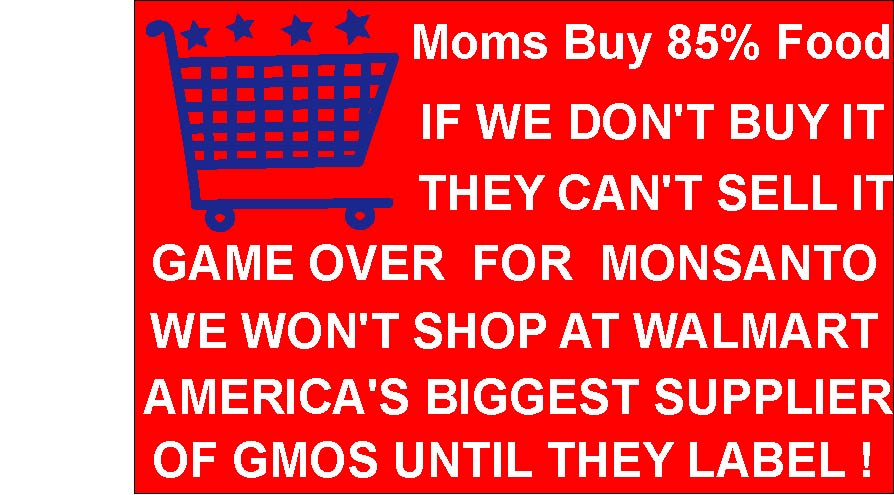
Moms Across America are OUTRAGED at the callousness of our government to pass the Monsanto Protection Act with no thought for our children and citizens of America. This is a sad time for many Moms who supported Obama. It is unfathomable to us that Michelle, who has spoken up about organic gardening and children's health would also tolerate her husband's choice. Our President, Congress and Senate have given immunity from law to a company from being held accountable for any harm that comes to people or the planet from their toxic chemicals. What happened to integrity in America?
They also gave Monsanto the ability to plant any kind of GMO seeds they want to. And no court, the exact wording is "nothing shall override" them. We know now that Monsanto was part of drafting this new rider and that our government is really not for the people and by the people but is, officially, a Corporatocracy. I did not want to admit this for a long time and I try to stay out of politics because I want Moms of all parties to feel welcome to join our united cause. But this is political too and I need to voice for Moms every where, that we have lost faith in our government this week. We have lost faith in the future if left in the hands of those who control Big Pharmaceutical, Bayer, Astra Seneca and Phizer Pharmaceutical -parent company of Monsanto, who make the pesticides and herbicides AND the drugs to make us feel better, and Big Agriculture (the same companies + DuPont). We have lost faith in a system that we put into place a couple hundred years ago and really see no way out of in the near future.
So what do we do? Hide and cry? No. When a Mom senses her child is at risk, which they are...their health issues like allergies, autism and auto immune diseases have been skyrocketing, we research more and we take action. A new article on bi polar disorders in our children shows a 456% increase since GMOs were introduced. The same symptoms, unrest, discontent, sudden outburts of aggression and inability to focus, have all be shown in pigs who eat GMO feed as well. As Moms with common sense we are OUTRAGED that food is hurting our kids and the one thing we see we can do to take action is put the largest distributor of GMO food on NOTICE that we will not be buying anything from their store until they label GMOs and have GMO free options- WALMART.
Debemos actuar con la mayor herramienta que tenemos, que es el dinero, y el mayor poder que tenemos, nuestro amor. Si comparte este aviso con 10 personas y ellos lo comparten con 5 y comparten con 5 y esas personas comparten con 5, usted será responsable de 1270 personas que prometen no comprar en Walmart. A $ 200 dólares por semana X 52 semanas al año, eso equivale
$ 13 MILLONES 208 MIL dólares que usted personalmente causará NO ir al mayor distribuidor de OGM Foods.
¿Puedes hacer eso?
Aquí están los comentarios a continuación de las madres que han firmado el aviso.
Por favor firme y comparta hoy.
Lee mas
Herramientas para hablar sobre los OMG
¿Alguna vez has sentido que estamos en una zona de penumbra? Toda la debacle alimentaria de los OGM me da vueltas la cabeza esta semana. Si no tuviera esta marcha planeada, podría unirme a las filas de los activistas que están levantando campos en Europa. Estoy enojado Estoy más que enojado, estoy furioso. Para completar la confirmación de una escandalosa toxicidad en nuestros alimentos, alguien hackeó mi sitio de Facebook MAAM esta semana. Saben que estamos descubriendo y compartiendo sobre los OGM y ven que las mamás son una amenaza para la forma en que hacen negocios. Bueno.
Las últimas dos semanas han sido una marejada de información sobre OGM, proyección de películas y personas en todo Estados Unidos que toman medidas y publican artículos, videos e informes importantes. No tengo dudas de que los OMG están en quiebra nutricional y son tóxicos. Sin embargo, la respuesta es inspiradora, ¡incluso mi ciudad natal en CT de 2000 personas tenía una Ruleta Genética que se muestra esta semana! A pesar de la ira que siento por la injusticia que se ha impuesto al pueblo estadounidense, estoy encantado y alentado por la posición de Estados Unidos por nuestra salud, nuestros niños y nuestras comunidades. Estos artículos, videos, entrevistas y hechos nos ayudan a hablar clara y confiadamente sobre los OGM
Si quiere ser claro sobre los riesgos para la salud de los OGM, eche un vistazo a los siguientes artículos y videos.
Creo que la manera más fácil de presentarles esta información a sus amigos y familiares es hablarles y mostrarles
1. Elizabeth Doughtery's Interview of Dr. Huber
Impresionante comparación de maíz: transgénicos y no transgénicos
Las afirmaciones de que "no hay diferencia entre el maíz transgénico y el maíz no transgénico" son falsas. Ayer, mientras estaba en una cita para jugar en el lago, Vince de De Dell Seed Company, la única compañía de semillas de maíz NO OGM de Canadá, me llamó para apoyar la marcha y los estadounidenses que se enteran de los OGM. Me envió por correo electrónico este impresionante informe, que muestra claramente la diferencia de valor nutricional entre el maíz OGM y el maíz NO OGM. Estaba anonadado. Y al mismo tiempo, no me sorprende del todo porque el glifosato extrae los nutrientes vitales de los seres vivos y el maíz transgénico está cubierto de él. 
Lo importante a tener en cuenta en estas deficiencias es que estas son exactamente las deficiencias en un ser humano que conducen a la susceptibilidad a la enfermedad, los trastornos y el cáncer. Las personas que tienen osteoporosis tienen bajos niveles de calcio y magnesio, las personas que tienen cáncer tienen bajos niveles de manganeso. La lista sigue y sigue.
El maíz transgénico tiene 14 ppm de calcio y el maíz NO transgénico tiene 6130 ppm. 437 X más.
El maíz transgénico tiene 2 ppm de magnesio y el maíz NO transgénico tiene 113 ppm. 56 X más.
El maíz transgénico tiene 2 ppm de manganeso y el maíz NO transgénico tiene 14 ppm. 7X más.
Look at the levels of Formaldehyde and Glyphosate IN the corn! The EPA standard for Glyphosate in water in America is .7ppm. European Tests showed organ damage to animals at .1ppb (.0001ppm) of Glyphosate in water. Our water levels allow glyphosate 7,000X higher than what has been shown to be toxic in animals. This corn has 13 ppm! 130,000 times higher than what is toxic in the water!*
En un estudio que informó el Dr. Huber, en Talk Radio de Elizabeth Dougherty, se demostró que .97 ppm de formaldehído es tóxico si se ingiere en animales. ¡Este maíz tiene 200X eso! Es por eso que los animales, si se les da a elegir, no lo comerán en absoluto, ¡pueden oler el formaldehído!
Comparta este informe con su legislatura, agricultores, editores de noticias, servicios de alimentos del distrito escolar y mamás.
Ya no alimentaremos a nuestros hijos con deficiencias nutricionales, proteínas extrañas, toxinas, rociados con glifosato o inyectados con pesticidas. ¡Tampoco seremos alimentados con sus mentiras de seguridad!


¡GRACIAS De Dell por compartir este informe y apoyar a las Américas en el etiquetado de OGM y en volverse libre de OGM!
UPDATE: FOR MORE INFO see video: http://www.momsacrossamerica.com/more_info_on_2012_corn_comparison_report
* Este blog se ha corregido desde su publicación original para corregir .1ppm a .1ppb, lo que en realidad refleja un hecho mucho más alarmante. Pedimos disculpas por este importante error tipográfico y prometemos una edición más completa en el futuro.
Zen honeycutt
Lee masNoche de películas de OGM de Estados Unidos marzo 30
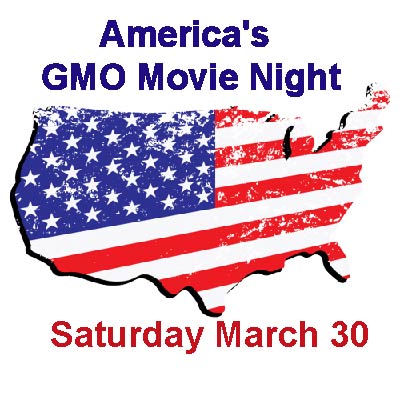 Si está leyendo esto, probablemente ya sepa sobre los OGM, pero también es probable que tenga muchos amigos o familiares que no lo quieran o parezcan que no quieren. ¿Qué pasa si compartimos con ellos de una manera DIVERTIDA y tenemos noches de películas de OGM en toda América el sábado por la noche, marzo 30, en dos semanas, con bocadillos gratis de OGM en la comodidad de su propio hogar?
Aquí está la cosa. No depende de otra persona. No van a averiguar acerca de los OGM en su tienda de comestibles, las principales noticias de televisión o el médico. Esos canales están muy influenciados por las compañías farmacéuticas como Bayer, Astra Senca Syngenta y Phizer Pharmaceutical Upjohn (compañía matriz de Monsanto) que TODOS producen químicos, herbicidas y pesticidas. Esos químicos muy rentables se rocían en nuestros alimentos que nuestro ganado y nosotros comemos, y si nos enfermamos también producen los medicamentos muy rentables que venden para "mejorarnos" en nuestros supermercados, a nuestros médicos y en anuncios de televisión en entre Big Bang Theroy y Nightly News. Casi nadie de esos canales les contará a sus amigos sobre los riesgos para la salud de los OGM. Los pocos que lo intentaron, por ejemplo, dos reporteros de Fox News, fueron despedidos. (ver mi canal de You Moms Across America You Tube)
So it's up to us to share with them. And it's not hard. All it takes is sending out an email, or if you want to get fancy, an evite. If you really want it to be successful, call your friends. Say or write "I am inviting you to share a very special and important evening together. Please come and view a movie with me about food and health. This is the most important thing you can do."
Have ten people to your home and just show Robyn O'Brien's 18 minute Ted Talk " Patriotism on a Plate" if you just want to get their feet wet. Show the ten minute version of Genetic Roulette on YouTube if they want more. Or to go for the whole enchilada, show the full version of Genetic Roulette available at www.geneticroulette.com. When you have just 10 people over and show them this movie, they will get it. They will also be compelled to share with their family and friends. If they only share with 5 people and those 5 only share with 5 and all of those 5 only share with 5 people...you will be personally responsible for informing 1270 people about GMO's in your town!!! Most likely hundreds or thousands more!
¿Imagínese si en toda América tenemos una noche de películas de OGM el sábado marzo 30 y cientos de miles de personas se enteran de los OGM?
Why marzo 30? It's two weeks away. Just enough time to invite people and have it be soon enough so that the time is now. You know what happens when we procrastinate...it just doesn't happen. It is also Easter weekend and alot of you will be with your family. Bring the movie, let them know "Hey Saturday night let's all get together and watch this movie about health that I have. I love you guys and it's really important that we watch this together." If they don't want to watch a whole movie , show Robyn O'Briens 18 minute version on YouTube. Insist on it in a loving way.
Además, dudo incluso en decir esto, pero, sinceramente, mi nota personal es que es mi cumpleaños. No hay nada que quiera más que que cientos y cientos de miles de personas se enteren de los OGM. Muchas personas me han enviado correos electrónicos y me han agradecido lo que estoy haciendo para organizar un evento nacional para crear conciencia sobre los OMG y etiquetarlos. Totalmente no necesario, pero apreciado. La cuestión es que estoy obligado, haré esto sin importar qué. Pero ... ¡podrías agradecerme y expresar tu apoyo a este movimiento organizando una noche de cine! ¡Puedes hacerlo! ¡Puedes amar a tu familia organizando una noche de cine! ¡Puedes formar vínculos más estrechos con tus amigos organizando una noche de cine! Realmente es divertido
I had a GMO Free Potluck Party and showed Robyn O'Briens video and Genetic Roulette ten minute version to 30 people. Everyone brought some food and met new people...you know that awesome feeling you have when your friend from forever meets your new friend and they hit it off like gang busters? It's just that all night long. People left with a whole new view, shocked but also inspired and empowered. Most importantly, they felt connected with people.
Realmente es facil. Compre algunos refrigerios orgánicos y no verificados por OGM, como Kettle Chips, los conejitos orgánicos de Annie, la salsa orgánica Cadia, saque un tazón de fruta orgánica, sirva algunas bebidas sin jarabe de maíz con alto contenido de fructosa, como Hansen's y guarde todo el empaque para que puedan ver donde los conseguiste
Now, what you might be thinking is that people are going to think you are some weird radical activist. That it's not normal to have people over to watch a movie over about food or "issues". You are right it's not normal. But what is happening with our food is radical. We have a foreign protein in 70% of our food and most people don't know about it. If you can set aside your concern for what people are going to think about you and focus on your commitment to them, like..that they are healthy and that they are informed to make their own choice, if you come from that, than nothing you can say or do is weird. Inviting people over to watch a movie about health and food is one of the most loving things you can do. Most people see food as love. So have a conversation about food and love. The time is now. It doesn't matter what your house looks like or if you have a lot of snacks. They will be so moved, touched and inspired by what you show them that nothing else will matter except the love you share.
¿Organizarás una noche de película de OGM en marzo 30?
¡Envíe un correo electrónico o evite hoy! Comenta Sí Abajo!
¡Gracias!
Zen honeycutt
¡Bienvenido a Moms Across America!
¡Gracias por visitar nuestro nuevo sitio!
¡Estamos encantados de habernos registrado en NationBuilder para crear un sitio con la capacidad de apoyar a cientos de miles de manifestantes y voluntarios! ¡Qué asombrosa es la tecnología y la comunidad que hemos creado en América!
Todos los días me inspira el compromiso, la creatividad, la pasión y la generosidad de las personas en todo nuestro país. Mucha gente se está uniendo para apoyar este emocionante evento nacional.
En este sitio puede inscribirse para marchar en un desfile listado, subir un evento en su área que no conocemos, aprender o compartir más sobre los transgénicos, expandir su participación o liderazgo en su comunidad y conectarse con personas increíbles. a través de América. Todo lo que pueda hacer o compartir le ayudará.
Esperamos que vea la extraordinaria oportunidad que tenemos ante nosotros. Las mamás se están uniendo para ser un movimiento imparable por los derechos de todos los niños y las personas en este país ... para saber qué hay en nuestra comida y poder comer sin OGM si así lo deseamos. Demasiados estadounidenses todavía no conocen los transgénicos.
Gracias por su interés, disposición y generosidad en compartir sobre los OGM con sus conocidos. Gracias por unirse a un desfile cerca de usted el julio 4 para marchar por la salud de nuestras familias, la verdad en el etiquetado, la justicia para las generaciones futuras y la libertad para que todos los estadounidenses elijan comer sin OGM.
Zen Honeycutt y el equipo MAAM