
American Soldiers are Consuming Food Below USDA Standards and Dangerous Levels of Primarily Chinese Pesticides Related to GMO Foods Banned by China and Russia Militaries
President Trump Urged to Take Action - American Troops Deserve American Food!
One page summary of results here
By Zen Honeycutt and Michaela Bardossas
In previous testing of school lunches and fast foods, Moms Across America (MAA) found a concerning number of meals containing harmful contaminants, many at alarming levels. In fact, the Health Research Institute Laboratory Chief Scientist, John Fagan, stated, “The test results of school lunches show more toxins than nutrients.” School lunches fall under the jurisdiction of the US Department of Agriculture.
Recognizing the urgent need for better-sourced, higher-quality food, MAA commissioned independent laboratory testing of 40 military meals and MREs to assess whether safer, higher-quality options are achievable. Did “military grade” pertain to their food, too? Did they have higher quality, and if so, could the USDA be convinced to apply those standards to school lunches?
The question raised is intended to improve the quality of food for both the military and schools, in the interest of national security.
While food is not political, it may be important to some to note that the samples procured for testing contained ingredients mostly grown or raised during the Biden Administration, and the Trump Administration has an opportunity to address the serious issues allowed during President Biden’s administration and those of previous administrations.
Part of the impetus for testing military food stemmed from MAA’s director learning—through direct communication with a Chinese military general—that China does not feed its troops GMO* foods, alongside documented reporting that Russia prohibits GMOs within its country.
* How GMOs contribute to the contamination of the food supply: GMO crops are primarily corn, soy, wheat, canola, sugarbeets and some potatoes. 80% of GMOs are genetically engineered to withstand glyphosate and harmful agrochemicals, meaning the entire crop can be sprayed with the herbicide and the weeds will die, but the crop will not. This process, along with spraying grains, peas, beans, and legumes with glyphosate herbicides as preharvest weedkillers or drying agents, results in high levels of glyphosate in animal feed and human food.
Nutritionists agree that military food quality is imperative to test, monitor and improve: “America’s service members are trained to withstand extreme physical, mental, and environmental stress in defense of the nation,” said Licensed Nutritionist and Board Member of MAAM, Kendall Mackintosh, MS, CNS, LDN “In return, the United States has a fundamental obligation to protect their health, safety, and well-being, especially when it comes to the food they are required to consume daily, often exclusively, during training, deployment, and combat operations. Yet these findings raise urgent and deeply troubling concerns that this obligation is not being met,” concluded Kendall Mackintosh.
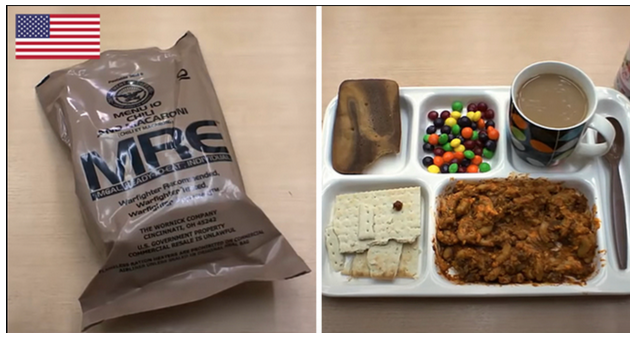
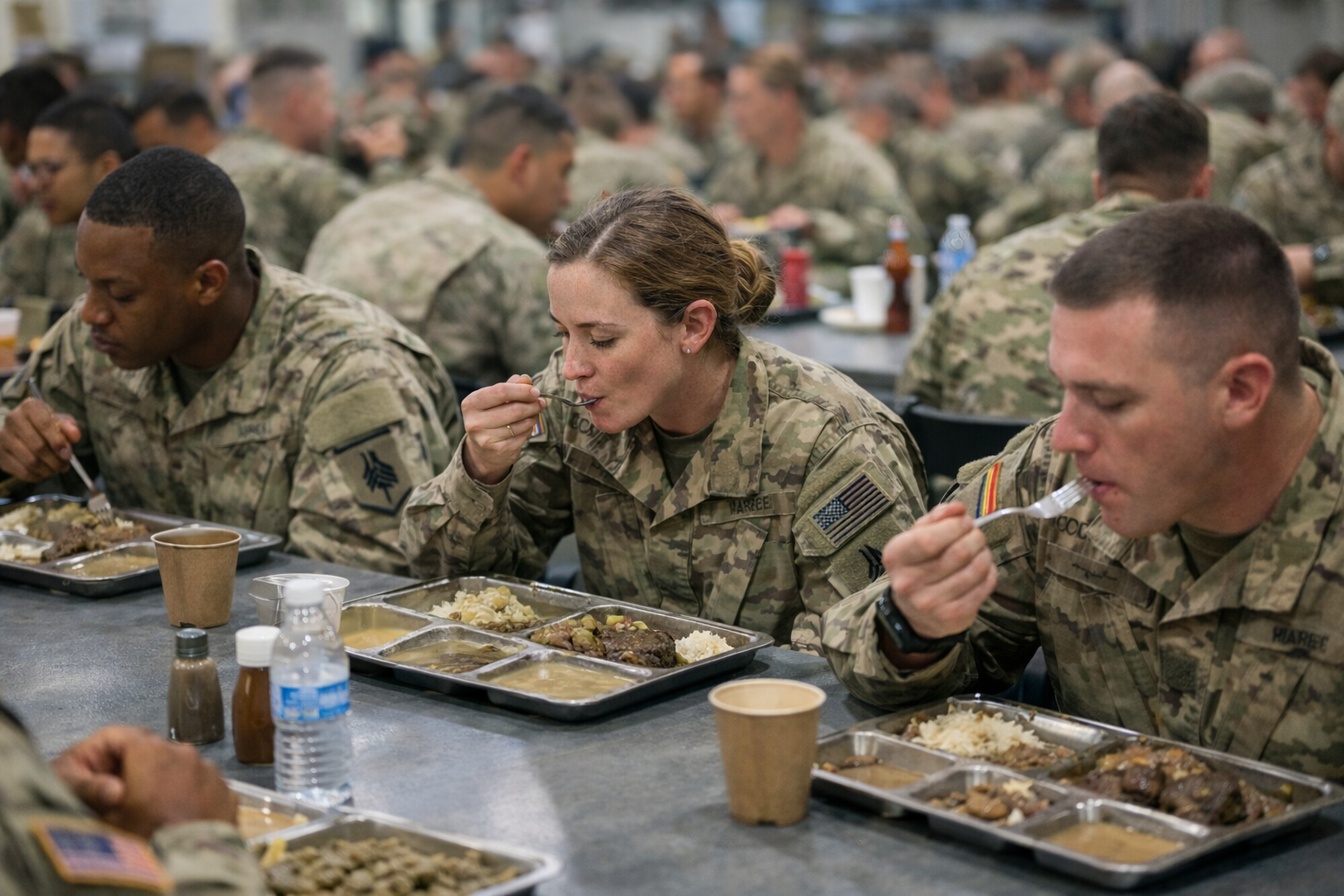
Independent laboratory testing commissioned by Mamás en toda América, with the support of Children’s Health Defense Military Chapter and Centner Academy, reveals that U.S. military food, including Meals, Ready to Eat (MREs) and other rationed and cafeteria items, have low levels of nutrients and are contaminated with a mixture of toxic pesticides, banned veterinary drugs, heavy metals, and glyphosate at levels that pose serious threats to human health.
Summary Points:
- 40 samples -16 samples from 6 military base cafeterias and 24 MREs were tested for toxic chemicals and nutrients. The samples contained ingredients such as wheat, corn, soy, and meat likely grown, raised, or imported during the Biden Administration
- Pesticides - 100% of military food samples tested contained harmful pesticide residues -100% of pesticides found in military cafeteria food are manufactured in China and other countries, 65% primarily in China
- Over 70% of samples contained multiple pesticides (ranging from 2-26) and as many as 15 to 26 different pesticide residues in a single item. A total of 62 pesticides and chemical mixtures were present, not evaluated for cumulative or synergistic health effects.
- Glifosato - 95% of military food samples contained detectable and harmful levels of glyphosate/AMPA.
- Veterinary Drugs- 5 Veterinary drugs detected- including ractopamine and trenbolone acetate, growth promoting drugs used widely in US beef and pork production but banned in 160 other countries, including China, EU and Russia; 3 other drugs found are banned in most countries or not approved for human use - showing likely contamination from imported meat and an urgency for sourcing American, regenerative and organically raised meat for military meals. Four out of five of the veterinary drugs detected are made in China.
- Heavy metals -100% of samples tested contained arsenic, cadmium, lead, mercury, and aluminum. In some samples, arsenic, cadmium, and aluminum were found at levels 430%- 17,300% higher than the EPA’s drinking water guidelines.
- Minerals- Analysis of military meals reveals levels of certain nutrients were lower, corn nutrients up to 3 x lower, or inconsistent than those set by USDA standards.
- Military meals also showed mineral levels 5-10 times higher than school lunches, indicating fortification (health risks for the military) and a truly dismal nutrient situation for school lunches (far lower nutrients than the military).
- The true solution is regenerative, organic agriculture that rebuilds mineral-rich soil, producing naturally nutrient-dense food without toxic contamination or synthetic additives.
- Phthalates: No detectable levels were found; retesting is recommended.
- PFAS was detected in one sample, indicating the need to test additional samples.
- Mycotoxins - not tested - testing is recommended
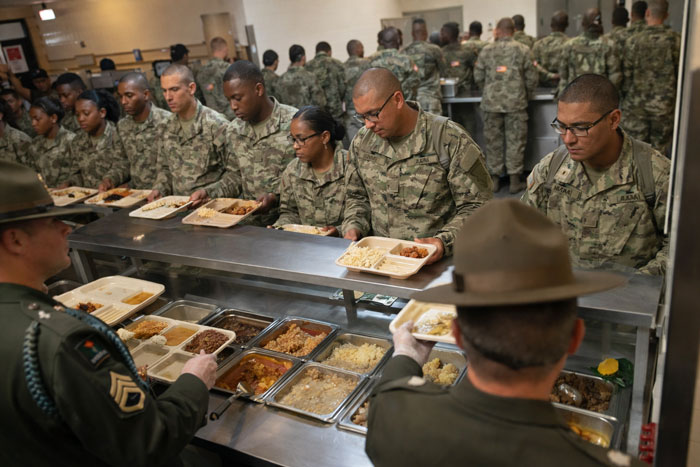
Each year, more than 1.5 billion U.S. military meals and 37 million Meals, Ready-to-Eat (MREs) are served to active-duty service members, making the military one of the most powerful purchasers and influencers in both the U.S. and global food supply. The health, readiness, and national security of our troops and our public school students depend on these meals to support physical performance, cognitive function, and long-term well-being.
“We applaud President Trump’s commitment to increasing the budget of the military to ensure Americans are safe and creating the most powerful military in the world,” said Zen Honeycutt, Founding Executive Director of Moms Across America. “As our nation’s Commander in Chief, we call on him to be a true hero by ensuring our global power by providing the safest and healthiest meals of any military in the world. We are calling for American troops to have American food - regeneratively raised, organic meat and non-toxic, organic and nutrient-dense produce.”
Antecedentes
Pesticides in U.S. Military Food: Summary of Findings
Moms Across America commissioned independent laboratory testing of 40 U.S. military meals and ration foods, including Meals, Ready to Eat (MREs), from 6 different military base cafeterias, for 240 different pesticides. These results show serious problems with the quality of the food served to our military and potential physical, mental, and reproductive health risks.
Key Pesticide Findings
- 100% of military food samples tested were positive for pesticides, with 62 detectable pesticide residues, demonstrating pervasive contamination across the military food supply. The number detected, 62, is more than double what is found in school lunches or fast food.
- 100% of the pesticides detected in US military food are known to be produced in China, with 65% of them being primarily produced in China, raising a serious question about national security impacts by foreign, enemy country products. Side effects include non alcoholic liver disease, blood disorders, paralysis, respiratory failure, reproductive damage, and death.
- More than 70% of samples contained multiple pesticides, with approximately one-third containing 10 or more different residues. Several foods contained 15–26 pesticides per item, creating chemical mixtures that have not been evaluated for additive, cumulative, or synergistic health effects.
-
One apple sauce contained over 1,300 ppb of total pesticide residues. Over 60% of the fruit Americans eat is imported and may not be regulated for toxic or banned pesticides.
-
The fungicide Pyrimethanil was the most prevalent and highest-concentration pesticide detected, reaching 954.09 ppb in one military food sample. It is classified as a possible human carcinogen, with studies reporting liver tumors, thyroid effects, and altered organ development, leading regulators to assess a risk potential associated with chronic dietary exposure.
- The fungicide Chlorothalonil, detected at 115.09 ppb, is classified by the EPA as a probable carcinogen, linked to kidney, stomach, and lymphatic cancers, banned for residential use in the U.S. because of developmental effects in utero, and fully banned in the EU due to genotoxicity, organ toxicity, and the inability to establish a safe human exposure level.
Highest Contamination: Fruit-based items, particularly those containing apples and berries, were consistently the most contaminated, ranking highest both in total pesticide concentration and the number of different residues detected.
Many might consider the presence of so many toxic chemicals in military food from a foreign country as silent chemical warfare that our government has been agreeing to - been paying for with tax payer dollars - $15-20 billion for foreign agrochemical inputs per year. Approximately 15,000 shipments of glyphosate were imported from China in 2024. These agrochemicals are contributing to an estimated 8 trillion dollars of physical, mental ( which includes violence and prison systems ) and reproductive health care costs every year.
Health Risks: Several pesticides detected in U.S. military foods are classified by the U.S. Environmental Protection Agency (EPA) as possible or probable human carcinogens, including chlorothalonil, carbaryl, thiophanate-methyl, thiabendazole, iprodione, and linuron. Several pesticides detected in U.S. military foods, including chlorothalonil, carbaryl, iprodione, linuron, thiophanate-methyl, carbendazim, terbutryn, pyrimethanil, thiabendazole, and multiple neonicotinoids, are restricted or no longer approved for use in the European Union, where regulators cited concerns related to carcinogenicity, endocrine disruption, reproductive toxicity, genotoxicity, and lengthy environmental persistence. Notably, pyrimethanil, a fungicide associated with liver toxicity, endocrine disruption, thyroid effects, and increased liver tumors in long-term animal studies, was the most prevalent and highest-concentration pesticide detected, reaching 954.09 ppb in one military food sample, exceeding levels previously identified in school lunch testing. Chlorothalonil, detected at 115.09 ppb, is classified by the EPA as a probable human carcinogen and was banned by the EU after regulators concluded that no safe level of human exposure could be established.
Glyphosate in the U.S. Military Food: Summary of Findings
Moms Across America commissioned independent laboratory testing of 40 U.S. military food items to evaluate contamination with glyphosate and its primary metabolite AMPA, together reported as total effective glyphosate. The results demonstrate widespread glyphosate contamination across military food, with the vast majority of samples containing detectable levels. According to Dr. Don Huber, Purdue University Professor and plant pathologist with over 60 years of experience, exposure to 0.1 ppb of glyphosate is harmful and should be avoided, based on published scientific evidence of its impacts on liver health, gut health, mineral chelation, immune function, and plant and animal disease susceptibility.
Using this 0.1 ppb threshold as a health-based benchmark, the findings show that nearly all samples exceeded levels considered harmful, often by large margins. Several foods contained glyphosate at levels hundreds of times higher than 0.1 ppb, including staple grain-based and processed items routinely consumed by service members. Given that military personnel may rely on these foods daily or exclusively for extended periods during training and deployment, routine exposure to glyphosate, alongside other harmful pesticides, veterinary drugs, including growth hormones and heavy metals, raises serious concerns about cumulative toxic burden, long-term health outcomes, and military readiness.
The fact is that heavy metals and toxic chemicals in the military food supply add an increased risk of alteration or failure of mental and physical performance. This puts our troops at risk. Delayed, aggressive, emotional, or fatigued responses in critical moments of decision-making can tragically affect not only the individual soldier but also the many soldiers in their unit, and even the outcome of battles, the security of our nation, and the welfare of our world for generations to come.
Key Glyphosate Findings
Glyphosate is the declared active chemical ingredient in the most widely used herbicide in the world. Over 280 million pounds of glyphosate are used on American crops as a weed killer before planting (conventional crops) and during crop growth (on GMO crops genetically engineered to withstand it), and as a pre-harvest drying agent (desiccant) on conventional crops, but not on organic. Glyphosate does not wash, dry, or cook off entirely in the food. It has been found to cause over 10 types of cancer, cause liver, kidney, and thyroid disease, increase autism symptoms, and cause nervous system, neurological, and reproductive damage. Glyphosate causes damage to sperm, increases miscarriages, and androgenizes baby girls with in utero exposure. German scientist Monika Kruger has shown that glyphosate absorbs into animal muscle, tendons, bones, etc, and, therefore, animal feed containing high levels of glyphosate can also be a contamination source for our meat supply.
- 19 out of 20 samples tested (95%) contained detectable glyphosate/AMPA (AMPA is glyphosate’s breakdown product, which can be more toxic), demonstrating near-universal contamination of the American military food items analyzed.
- 95% of samples exceeded 0.1 ppb, the level identified by Dr. Don Huber as harmful and to be avoided, indicating widespread exposure above a health-based concern threshold.
- Total effective glyphosate/AMPA levels reached as high as 63.9 ppb, more than 600 times the 0.1 ppb level considered harmful.
- More than half of the samples contained glyphosate at levels 100 times the 0.1 ppb limit, reflecting significant exceedances rather than marginal contamination.
Science shows that there is no safe level of glyphosate.
Glyphosate policy change and use is a top priority for three main reasons. The presence of glyphosate is highly problematic to physical, mental, and reproductive health because:
-
REDUCES Nutrients - Glyphosate is a chelator, and studies have shown that a drift-level exposure (1/40th of the normal application, Dr. Don Huber) reduces the nutrient uptake into the shoot of the crop by 80-95%. The nutrients tested were iron, magnesium, and zinc - essential nutrients for the immune system and for many other important functions. A weakened plant immune system, just like in humans, means the plants die from exposure to normally harmless bacteria, viruses, mold, or challenging weather conditions. Low levels of nutrients revealed by our testing of school meals, fast food, and military food means a weaker and sicker nation and weakened national security, including weakened ability to respond to military threats.
-
INCREASES Mycotoxins - Very low levels of exposure of glyphosate to crops have also been shown to increase the presence of Fusarium and Aspergillus by 15-fold. The byproducts of these molds are highly toxic mycotoxins such as ochratoxin, aflatoxin, and zeranol- all shown to contribute to mental illness, depression, and suicide.
- INCREASES Harmful Impact of Other Toxic Chemicals - Glyphosate is a carcinogen and endocrine disruptor, causing liver and kidney disease, neurotoxicity, and damage to the nervous system and reproductive system. Some studies also indicate glyphosate breaks down the blood-brain and cell barrier (BBB), allowing toxins to enter the brain and organs. Therefore, it increases the harmful impact of other toxic chemicals, such as the 62 other pesticides and numerous heavy metals, which we found in military food and thousands of other chemicals found in air, water, body care products, cleaning products, and detergents.
Veterinary Drugs in the U.S. Military Food: Summary of Findings
Moms Across America commissioned independent laboratory testing of 10 U.S. military meals to evaluate contamination of 130 veterinary drugs and hormones not intended for human consumption. The results revealed the presence of five veterinary pharmaceuticals, 4 out of 5 produced in China, with extremely concerning health effects.
Key Veterinary Drug Findings - 5 - All Banned in Most Countries or Not Approved for Human Use
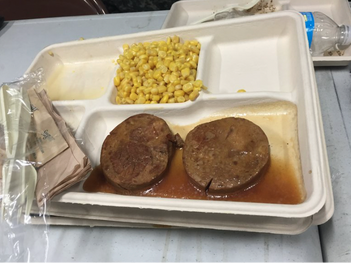
- Hydroxy-dimetridazole was detected at 161.81 ppb in a teriyaki beef stick. This is a nitroimidazole antimicrobial, antiparasitic drug made primarily in China, explicitly banned for use in food-producing animals in the United States, European Union, and Canada, with no legal residues permitted. Regulatory agencies prohibit nitroimidazoles because they are mutagenic and genotoxic, with studies demonstrating DNA damage, cancer risk, and reproductive harm, leading regulators to conclude that no safe level of exposure exists.
- Trenbolone acetate, a growth-promoting hormone used widely in U.S. beef production, also produced in China, was detected at 47.44 ppb in the same food item. Trenbolone is a synthetic anabolic-androgenic steroid used to promote faster growth in farm animals (primarily cattle)and is not approved for human use due to documented cardiovascular, hormonal, neurological, liver, and kidney risks. It is classified as a Schedule III controlled substance in the United States.
- Monensin, an ionophore antibiotic primarily made in China, was detected in 5 out of 10 samples (50%). While approved for limited veterinary use, it is banned for human use as monensin is known to cause cardiac toxicity, weakness, gastrointestinal distress, and sudden death in non-target species and adverse effects in livestock when misused or overdosed.
- Ractopamine, a synthetic growth-promoting drug produced by Elanco in the U.S., was detected in one sample at 3.248 ppb. Although permitted in the United States, ractopamine is banned in the European Union, China, and Russia due to safety concerns, particularly for children and individuals with cardiovascular vulnerability, and because regulators could not establish a maximum safe residue level.
- Nicarbazin, also made in China, was detected at trace levels in two samples. This compound is an anti-parasitic drug and avian contraceptive, not approved for human consumption, and has also been detected in school lunch and fast-food testing, suggesting widespread contamination of the food supply.
The ramifications of these drugs in military food are immeasurable, and a high risk factor for impeded performance. The increased levels of violence we are seeing in America today could be linked to drugs such as trenbolone acetate, which is a powerful steroid linked to neurological and psychological issues, including aggressive behavior, paranoia, and depression. 50 years ago, mass and school shootings were extremely rare. Today, there are between 100-300+ per year in the U.S. Violence in America also means a higher risk of violence and abuse in the military is likely. To treat mental disorders, which include aggression, the use of SSRIs has increased 500% since the ‘90s. More people are medicated than ever before, yet violence, mental illness, and suicide are on the rise.
According to the U.S. Department of Defense’s 2020 Qualified Military Available (QMA) study, Acerca de 77% of young Americans ages 17–24 are ineligible to join the military. Our national homeland security is in grave danger of being diminished even further if we continue to feed our young Americans meat contaminated with toxic chemicals. The detection of multiple prohibited or high-risk veterinary drugs in a single military food item, including hydroxy-dimetridazole and nicarbazin, indicates illegal use or import contamination, as several of these substances are subject to zero-tolerance policies in the USA, EU, and Canada.
Even at low levels, hydroxy dimetridazole has been found to damage DNA and cause cancer and birth defects. Despite all of the research proving this, China, India, Mexico, Argentina, and some Southeast Asian countries still heavily use this veterinary antimicrobial drug. It is highly likely that the meat fed to our military was imported from one of these countries.
Given that zero residue of this drug is allowed in U.S. food, the presence of this drug in military meals makes it clear that our supply chain is vulnerable to adulteration by our import partners. Better regulation and more rigorous monitoring would be a minimal solution, but a strict shift to locally raised American meat from regenerative organic farmers should be a top priority for our administration. Strong control over the integrity and quality of our soldiers’ diet, and structuring that diet to strictly prevent interference from foreign inputs, will put American soldiers’ health and safety first and make sense for homeland security.
Moms Across America calls for the diet of our American military to have American-raised regenerative, pasture-raised, drug-free meat. For national homeland security, our troops must have access to non-toxic, nutrient-dense food.
Heavy Metals in U.S. Military Food: Summary of Findings
Mamás en toda América commissioned independent laboratory testing of 40 U.S. military meal menu items to evaluate contamination with toxic heavy metals. The results show 100% positive detection of some or all heavy metals arsenic, cadmium, lead, mercury, and toxic metal aluminum in all samples tested, with several foods containing levels that meet or exceed health-based safety benchmarks used by U.S. regulatory agencies. While federal food standards for heavy metals are limited and inconsistent, comparisons to established EPA drinking water limits, which are designed to protect public health over chronic exposure, provide a conservative and widely recognized reference point.
Several military food items contained heavy metal concentrations that exceeded these benchmarks by multiple-fold, particularly for arsenic, cadmium, lead, and aluminum. The highest levels were observed in grain-, rice-, and fruit-based items, including smoothie powders and rice-and-bean meals. Given that service members rely on military rations as a primary or exclusive food source, repeated exposure to heavy metal mixtures, known to bioaccumulate and contribute to neurological, cardiovascular, renal, reproductive, and developmental harm, raises serious concerns for long-term health, force readiness, increased military health care costs, increased sick days/loss of resources, and the need for increased regulatory oversight of the military food supply.
Key Heavy Metal Findings
- 100% of samples tested contained arsenic, cadmium, lead, mercury, and aluminum
- Arsenic was detected at levels up to 53.1 ppb in a fruit and vegetable smoothie powder, over 5 times the EPA drinking water limit of 10 ppb, representing a 430% exceedance for this health-based benchmark.
- Cadmium, a known carcinogen, reached 51.4 ppb in a military food item, an excess of 928% over the EPA drinking water limit of 5 ppb (0.005 mg/L), despite cadmium’s known links to kidney damage, bone loss, and cancer with chronic exposure.
- Lead was detected in smoothie powder at 8.97 ppb, nearly 60% of the EPA drinking water action level of 15 ppb in a single serving, with multiple additional samples ranging between 30–70% of that limit, raising concern for cumulative daily exposure.
- Mercury was detected in smoothie powder at 1.20 ppb, representing 60% of the EPA drinking water limit of 2 ppb in individual food items, despite mercury’s well-established neurotoxic effects and lack of a safe exposure threshold.
- Aluminum levels were exceptionally high, reaching 34,800 ppb in a chicken meal, approximately 17,300% above the EPA’s secondary drinking water guideline of 200 ppb, a benchmark established to help prevent neurological and systemic toxicity from chronic exposure. Further testing for the source of aluminum is urgent. Geoengineering - cloud seeding for rain- is suspected.
Mycotoxins
Mycotoxins were not tested for in this research, but it is strongly advised that further testing be conducted.
With evidence emerging that highlights the health risks associated with mycotoxin exposure, additional scrutiny is warranted. We propose a deeper evaluation of the saved samples to determine whether they meet appropriate safety and quality standards. Evaluating school lunches and military MREs for mycotoxin content is a prudent and science-aligned step to protect two of the nation’s most vulnerable and mission‑critical populations, children and service members, from avoidable toxic exposures.
Mycotoxins are highly stable fungal toxins that can contaminate grains, nuts, spices, dried fruits, and cereals, foods commonly used in both school meal programs and ration components, and they are known to cause acute gastrointestinal illness, immune suppression, cognitive impairment, kidney damage, and increased long‑term cancer risk.
Because mycotoxins survive processing, heat, and storage, and because 25% of global crops are affected, routine monitoring is essential to ensure that federal feeding programs do not inadvertently expose children or military personnel to chronic low‑dose toxins that can impair growth, cognition, readiness, and long‑term health.
Proactive testing would also allow agencies to identify contamination early, strengthen procurement standards, and ensure that meals provided through public institutions meet the highest safety benchmarks. This aligns with WHO recommendations that governments monitor and minimize mycotoxin levels in food supplies, given their severe toxicity and persistence in the food chain. Implementing mycotoxin surveillance in school lunches and MREs would modernize food safety practices, reduce preventable health risks, and reinforce public trust in federally supported nutrition programs. As awareness of the potential health impacts of mycotoxins increases, it is prudent to conduct a more detailed assessment. We recommend further evaluation of the saved samples to ensure their safety and clarify the quality of the provided foods.
It should be noted that Mycotoxins:
- Do not act as classic chelators
- But do bind minerals, block absorption, damage transporters, and increase mineral demand
- Mycotoxins have been linked to mental health issues, which could be contributing to the high rate of depression and suicide among military members
Nutritional Content of U.S. Military Food: Summary of Findings
Moms Across America commissioned laboratory analysis of 40 U.S. military food samples, including cafeteria meals and Meals Ready to Eat (MREs), to evaluate nutrient density and mineral content. Military food samples were higher in nutrients than school lunches. However, when evaluated against typical USDA nutrient composition values for whole foods such as beef, poultry, grains, and vegetables, many samples showed lower or inconsistent mineral concentrations, raising concerns about food quality, sourcing, and nutrient bioavailability.
It should be noted that Moms Across America’s testing focused exclusively on mineral content due to funding limitations. Food contains hundreds of additional bioactive compounds, including phytonutrients and metabolites, many of which are not routinely measured in standard nutrient panels. Researchers such as Stephan Van Vliet, PhD, have demonstrated that conventionally produced meat and crops contain significantly fewer phytonutrients compared to regeneratively raised and organically grown foods, with regenerative systems often showing substantially higher nutrient density.
“The Trump administration is highlighting the most powerful military in the world and therefore we must also feed our military accordingly to ensure that these high-performing individuals can defend our country to the best of their ability, given the link of nutrition with physical and mental performance. “ Stephan Van Vliet
Military Food Sample Mineral Levels as Compared to USDA Standards
The nutritional content compared to USDA standards is being reassessed, and an update will appear here.
Compared to School Meals: How Did Military Food Fare?
Previous Moms Across America testing of school lunches and fast food revealed consistently low levels of essential nutrients, raising concerns about the nutritional adequacy of institutional food systems. Military food was expected to perform better and potentially serve as a benchmark for large-scale, publicly funded meal programs, especially the USDA school meals program. The concept of “military grade” implies higher quality; this testing examined whether military food meets that expectation.
An analysis conducted by licensed nutritionist Kendall Mackintosh, MS, CNS, LDN found that several military entrées contained higher measured levels of certain minerals, including magnesium, potassium, zinc, and iron, compared to those previously documented in Moms Across America’s school lunch and fast-food studies. While some may interpret these findings as evidence of improved nutritional quality, Moms Across America cautions that elevated mineral values alone do not necessarily indicate healthier food.
In many institutional food systems, higher mineral levels are achieved through nutrient fortification rather than naturally occurring nutrient density. A growing body of scientific literature raises concerns about chronic reliance on isolated or synthetic nutrient fortification, which may disrupt mineral balance, contribute to oxidative stress, and negatively affect gut and metabolic health when consumed long-term.
Excess iron intake - particularly in non-heme or fortified forms - has been associated with inflammation, oxidative stress, disrupted mineral balance, gut irritation, and increased risk of metabolic and neurological issues, particularly when consumed chronically. For example, excess iron fortification has been linked to increased oxidative damage and microbial imbalance in the gut, while synthetic folic acid has been associated with unmetabolized folic acid in the bloodstream, immune disruption, and potential neurodevelopmental concerns. These findings suggest that fortification may mask underlying nutritional deficiencies rather than address their root cause.
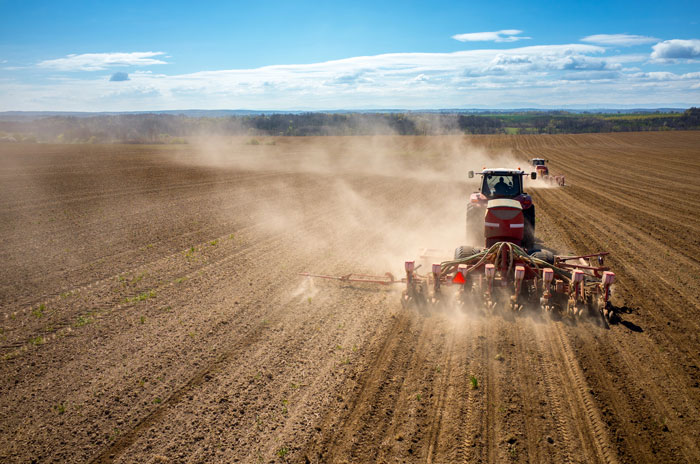
The root problem is our depleted soil resulting from decades of chemical-intensive agriculture that strips minerals from farmland and disrupts soil microbiology. When food is grown in depleted soil, it lacks naturally occurring minerals and requires artificial supplementation later in the food chain. Moms Across America maintains that the real, long-term solution is rebuilding healthy, mineral-rich soil through organic and regenerative agricultural practices, which restore microbial diversity, increase natural nutrient density, and reduce the need for chemical inputs and synthetic fortification. Food grown in living soil delivers minerals in bioavailable, balanced forms that the human body recognizes and utilizes safely, without the unintended consequences associated with fortification.
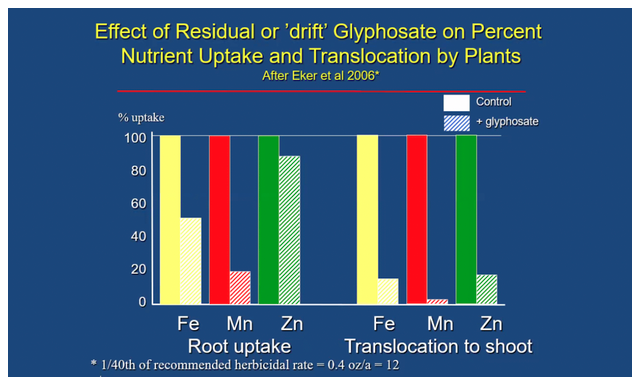
This image from Ag Advisor Don Huber, Professor Emeritus at Purdue University, shows a 20-80% reduction in nutrient uptake by roots and an 80-95% reduction in shoot uptake with only a drift-level ( 1/40th) exposure to glyphosate. This means that with only drift exposure of glyphosate, crops can be severely nutrient-deficient in nutrients that support the immune system, reproductive, and mental health.
PFAS in U.S. Military Food: Summary of Findings
In our military food testing, 39 samples showed no detectable levels of PFAS. However, one sample of beef stew tested positive for 0.12 parts per billion (ppb) of PFOS. To put this into context, the U.S. Environmental Protection Agency has set an enforceable limit for PFOS in drinking water at 4 parts per trillion (ppt), which is equivalent to 0.004 ppb. This means the PFOS level detected in the beef stew was approximately 30 times higher than the EPA’s drinking water standard. Emerging science increasingly shows there may be no truly safe level of PFOS exposure over a lifetime, as even low doses have been associated with immune, developmental, and metabolic harms.
Nutrition Is an Urgent National Homeland Security Issue
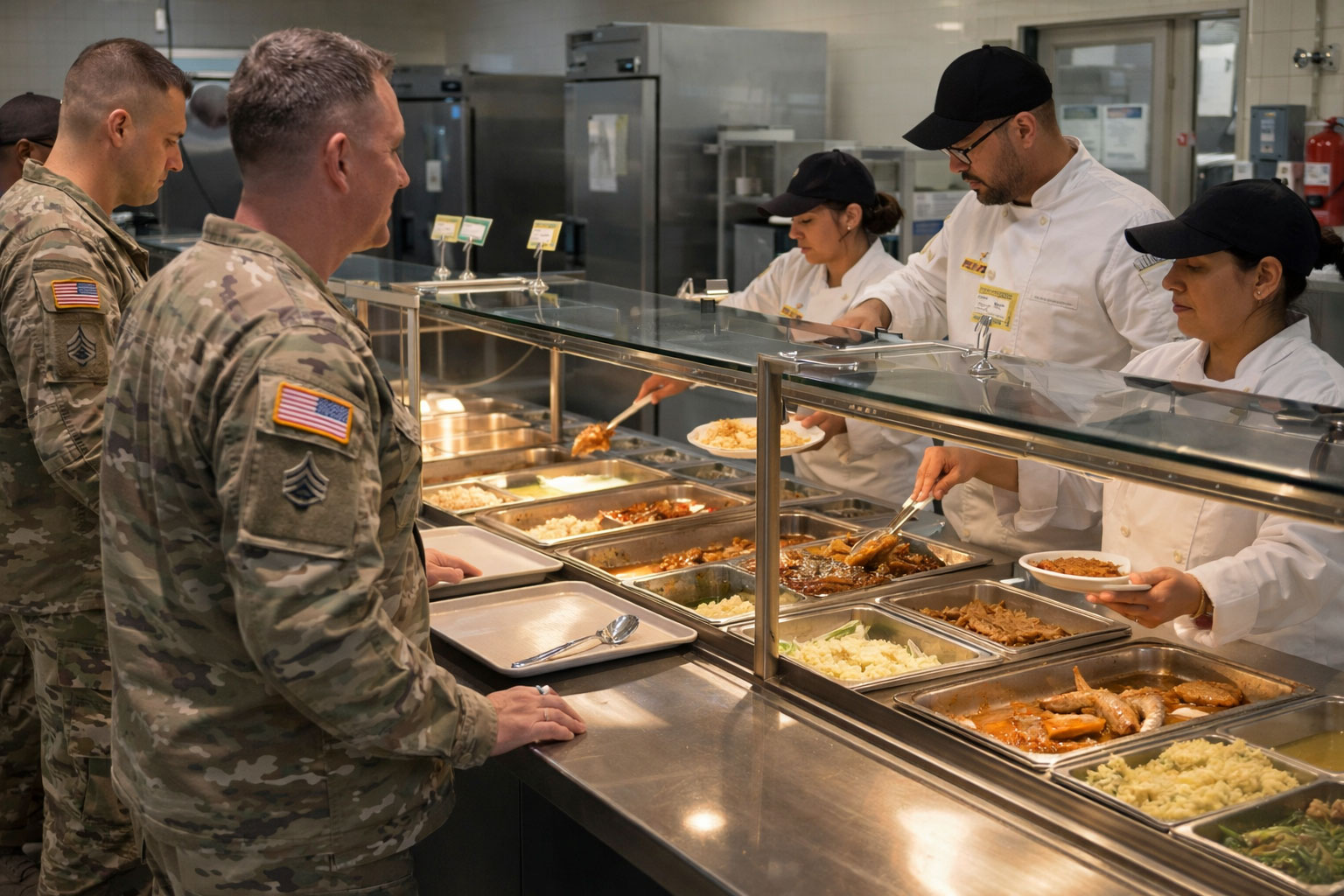
The evidence is clear: America’s service members are being fed food that undermines rather than strengthens their health. The routine presence of toxic pesticides, banned veterinary drugs growth growth-promoting drugs widely used in US beef production, heavy metals, and glyphosate, combined with nutritionally depleted, chemically fortified meals, creates an unnecessary and dangerous burden on the bodies and minds of those we rely on for national defense. Food directly affects endurance, emotional stability, and overall health. Protecting our troops means protecting their food supply. The troops' food supply is derived from industrial chemical farming.
While proponents of commodity crops argue that Americans will starve if industrial farming is not supported, many ignore that less than 10% of corn grown in the USA is used to feed Americans. 20% of US crops (by value) are exported, indicating a higher priority for other countries than for Americans.
30-40% of US corn and soybean crops are used for fuel. 45% of soy crops are used for soybean oil, an inflammatory nutrient-deficient product harmful to human health.
30-45% of soy and corn are used for animal feed (GMO and sprayed with glyphosate and toxic synthetic drying agents) in Confined Animal Feeding Operations, which, as studies by Stephan vanVliet, PhD., have shown, lead to lower nutrient density and flavor.
Proponents of GMOs, glyphosate, and agrochemical farming are largely fighting for the use of toxins that poison US farmland and waterways in order to feed Asia.
Moms Across America believes the Trump Administration can and will prioritize Americans.
As a matter of national security and basic responsibility, the DoW, military, and USDA have an opportunity to transition to regeneratively and organically raised meat and clean, nutrient-dense, American-grown food produced without toxic chemicals. Doing so will also be a historic step toward supporting American farmers in prioritizing growing for American troops and American children.
SOLUCIONES
How to MAHA
Calling for American Troops to Have American Food -
Regeneratively, Pasture-raised Meat and Non-Toxic, Nutrient-Rich Organically Grown Produce
Solutions for a Stronger Military and Safer Food Supply
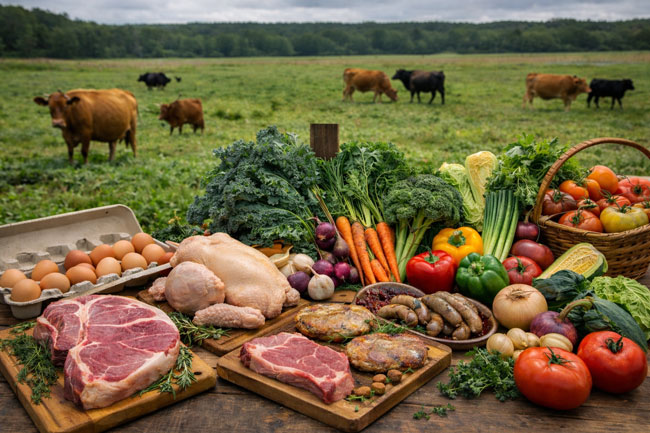
The presence of numerous pesticides, industrial chemicals, growth-promoting drugs, and banned chemicals in military food raises concerns about illegal use of chemicals, lack of regulations, imported meat produced or processed in China, Africa, and South America.
The presence of growth-promoting drugs as well as banned drugs indicates an urgent need for assessment and policy change regarding the procurement of meat ingredients for the U.S. military.
The low levels of minerals in military food and the high levels of pesticides, primarily from China, including 95% of tested samples showing glyphosate, also demonstrate an urgent need to shift sourcing to organic, non-sprayed ingredients.
Nutritional scientists agree that American, regenerative, organic and pasture-raised livestock provide the optimal meat source for our military.
“We study whether more climate-friendly production practices, known as regenerative agriculture, also impact the nutritional quality of these foods and animal health. So far, we are seeing that regenerative (organic) agriculture can improve the levels of vitamins, minerals, and antioxidants in these foods. In fact the diverse grasses, herbs and flowers spiced the meat from the inside out, not only making it more nutritious, but more flavorful as well.” - Stephan Van Vleit, PhD., Professor at USU, degrees in Kinesiology, Community Health and Nutrition
American regenerative, organic, pasture-raised beef is an important food source to focus on, not only for the military but also for the legacy of American farmlands and economic success.
Nutritional expert Dan Kittredge, founder of the Bionutrient Food Association, stated on the Investing in Regenerative Agriculture and Food podcast “ ...beef— there’s basically more land in the world used to produce beef than any other crop. A: So, if you’re worried about the ecological implications of agriculture and economic incentives to shift health, that crop is managed, and you’d want to work with one that’s got a major global impact. And B: there’s more money used to purchase beef than any other crop, right? Sugar, rice, milk, whatever. It’s the largest global, ecological, and economic footprint of any crop. So that’s why we started with it—not because it was the easiest thing, but because it had the biggest bang for your buck.”
We ask President Trump to provide the American Military with the biggest bang for the American taxpayers' dollar - the highest quality, “Military Grade” food from American ranchers and farmers, grown regeneratively, organically, and locally as much as possible without harmful growth-promoting drugs.
Preliminary AI research shows that providing regenerative organic food, with funding to support farmers' transition, would cost less than 1% of the 1.5 trillion-dollar budget.
For the DoW to also provide regenerative and organic food to public school meals and farmer transition support would be a total of less than 2% of the military budget.
We believe it is time to:
- Reduce our dependency on foreign food
- Feed American troops American food produced without toxic chemicals
- Support American farmers and ranchers to provide organic and pasture-raised high-quality meat and dairy for the American military and American children
- Make America Healthy Again by Making America’s Military and Students a Priority Again
- Treat farmers like the highly paid contractors who provide high-end “military grade” tools, weapons, vehicles, and aircraft - with premium payments for premium, nutrient-rich, organic, non-toxic, real food.
Military experts agree:
Charlene Guzman, Strategic Communications and Public Relations Lead at the Non-GMO Project, former USDA contractor, and Army Veteran states:
“As a proud veteran of the United States Army, I understand firsthand the extreme physical and mental demands placed on our service members to remain mission-ready. Training, focus, and resilience are essential, and food plays a powerful role in supporting all three. It’s concerning that many service members are operating within food environments that do not consistently support their health or long-term well-being. Limited nutritional guidance and heavy reliance on ultra-processed foods reflect broader challenges within our food system — challenges that affect both military and civilian communities alike.
Our service members and their families make daily sacrifices in service to this country. In return, we have a responsibility to ensure they are properly nourished with food that supports strength, recovery, and long-term well-being. Providing access to clean, nutrient-dense food is not a luxury — it is a basic measure of care, dignity, and respect for those who serve.”
Corolyn Rocco, Co-Founder of Children’s Health Defense Military Chapter states,
“Secretary of War, Pete Hegseth stated "You don't have freedom without those willing to defend it" during a julio 5, 2025 White House message, Reviving the Warrior Spirit: Secretary of Defense Pete Hegseth on Service, Sacrifice, and Strength.. There's no better way to say thank you to those defending our freedoms than by making sure they have the very best, including food! Additionally, President Trump and Secretary Hegseth have revived the military's warrior ethos by refocusing on lethality, meritocracy, accountability, standards and readiness. It should come as no surprise that in order to have a body, mind, and spirit that is lethal, ready, and able, one must ingest nutrient-dense, not nutrient-deficient, food. A noticeable increase in obesity and other medical conditions within the War Department prompted Moms Across America to investigate the food served to military members. While the findings are less than ideal, the solutions Zen and her team provide, if implemented, will restore hope that this administration can make America (and its military) healthy again.”
Moms Across America and supporters understand that change will not happen all at once; it will take years, so our expert team recommends the following steps to initiate action in a healthier, more secure direction.
MAA, Farmer, and Nutritionist Partners - Requested EPA, USDA, DoW, HHS/FDA Action Steps:
- Test military food for nutrient density before and after glyphosate and synthetic chemical desiccation.
-
Test military food for mycotoxins and identify sources of cleaner ingredients.
- Assess meat procurement country of origin and test for contamination, identifying sources of grazing and feed stock.
-
Reassess funding granted to foreign meat sources and prioritize funding for American-raised Regenerative and organically raised meat sources. Reduce our dependency on foreign food! List of Regenerative Ranchers for collaboration and consultation.
- Reassess accessibility and prioritize the procurement of organically grown produce and grain ingredients for the military.
- Discontinue the use of glyphosate-based herbicides and synthetic, harmful drying agents and preharvest weed killers, reducing exposure by 80%, decreasing the harmful impact of other toxins, and increasing vital nutrient content. Phase out all use.
- Support funding and policy to prioritize regenerative and organically grown livestock and produce for US military troops.*
- Support regenerative organic ag crop production on military bases.
- Military bases can source locally, use freeze-dried ingredients instead of MREs, and insist on regeneratively and organically raised American meat and dairy for their troops.
*AI Budget initial projections:
High-end total organic military food cost:
Baseline food spend ≈ $2.9B
High-end organic increase ≈ +$1.16B
Total organic food spend ≈ $4.06B
Total budget: $1.5 trillion ($1,500B)
Organic military food as a percentage of the $1.5T budget:
≈ 0.27% - About one-quarter of one percent of the total budget.
Even at the highest assumed cost, fully organic military food would consume less than 3-tenths of 1% of a $1.5 trillion budget.
Farmer transition supports only (payments + TA + certification)≈ $0.25B to $1.2B over ~3 years Transition supports + supply-chain buildout (processing/aggregation)≈ $0.6B to $3.2B over ~3–7 years- 5 year plan - .911% of 1.5 trillion Less than 1% of total 1.5 trillion dollar budget - all military meals organic Less than 2% of total 1.5 trillion dollar budget - military + school meals organic |
¿Qué puedes hacer?
Ask the Trump Administration and DoW to budget and prioritize regeneratively and organically raised meat and organically grown American produce for US troops and American students as a national security issue!
Moms Across America is a 501c3 non-profit whose mission is to educate and empower mothers and others with actions and solutions to create healthy communities.>
For Policy Briefs and further info Contact [email protected] Mamás en toda América


Mostrando 4 reacciones
Inicia sesión con